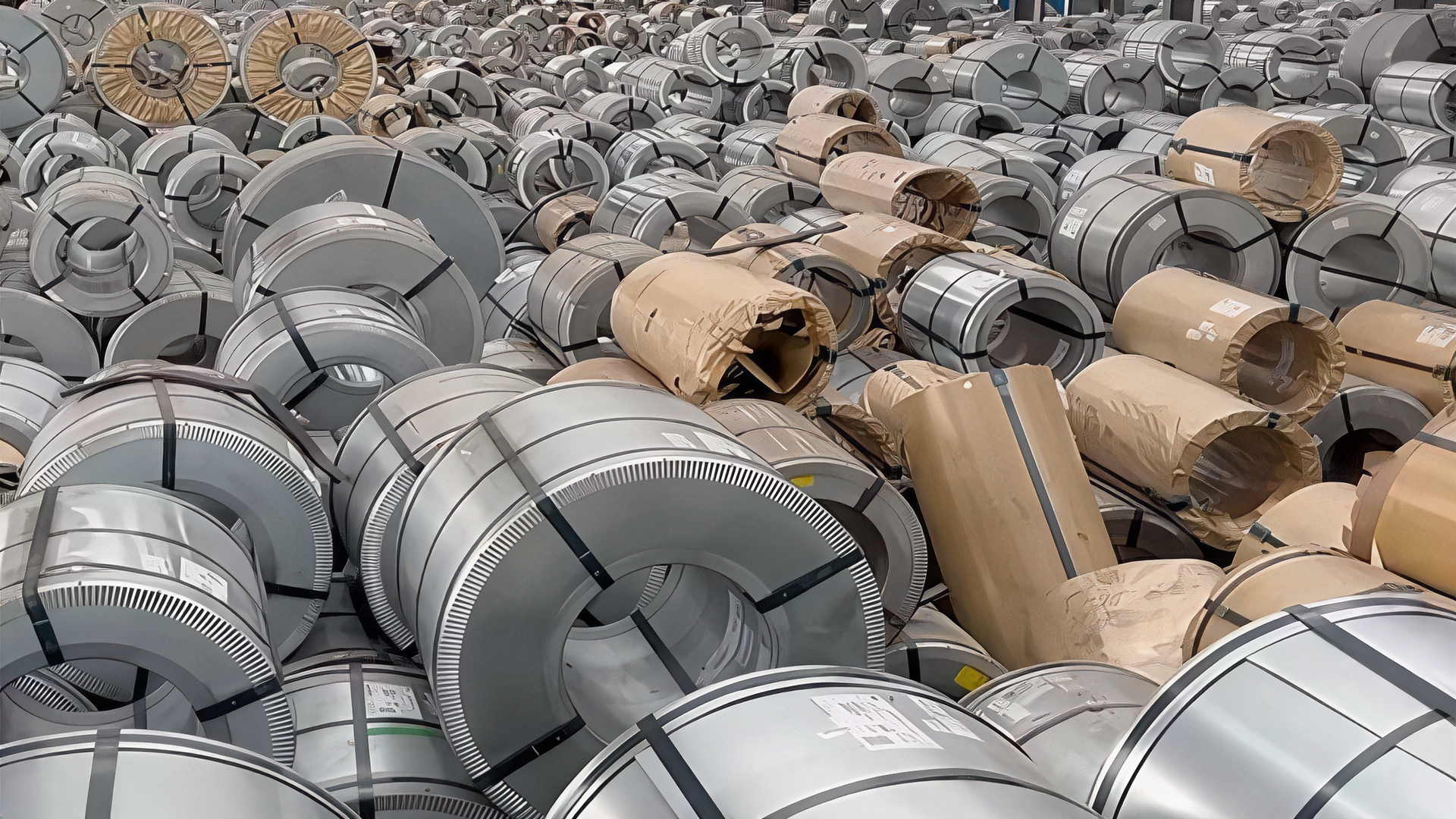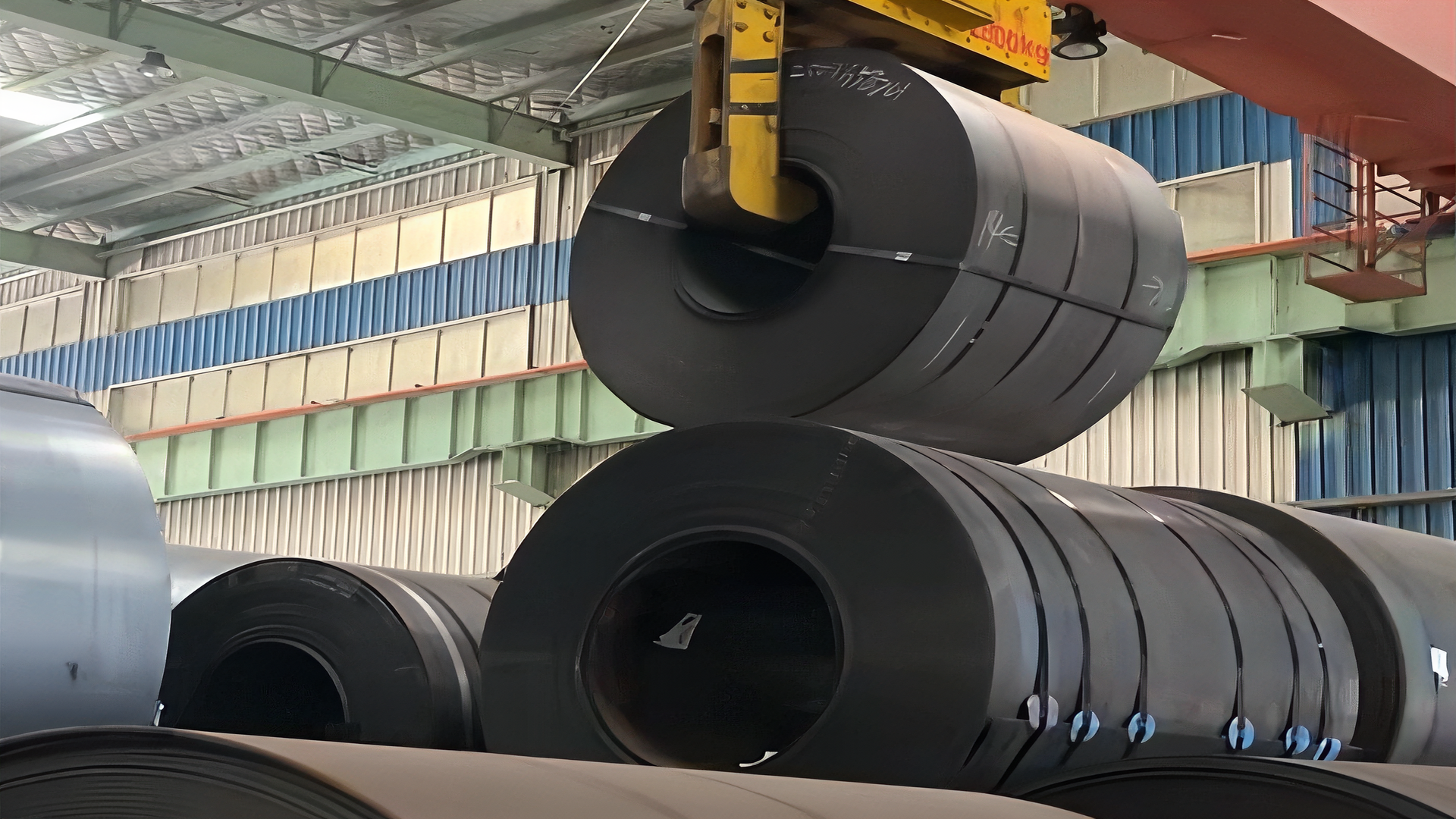
Hot Rolled Steel Coil
PRODUCTS
Open Diesel Generator
Mobile Silent Diesel Generator
Silent Diesel Generator
Building Materials
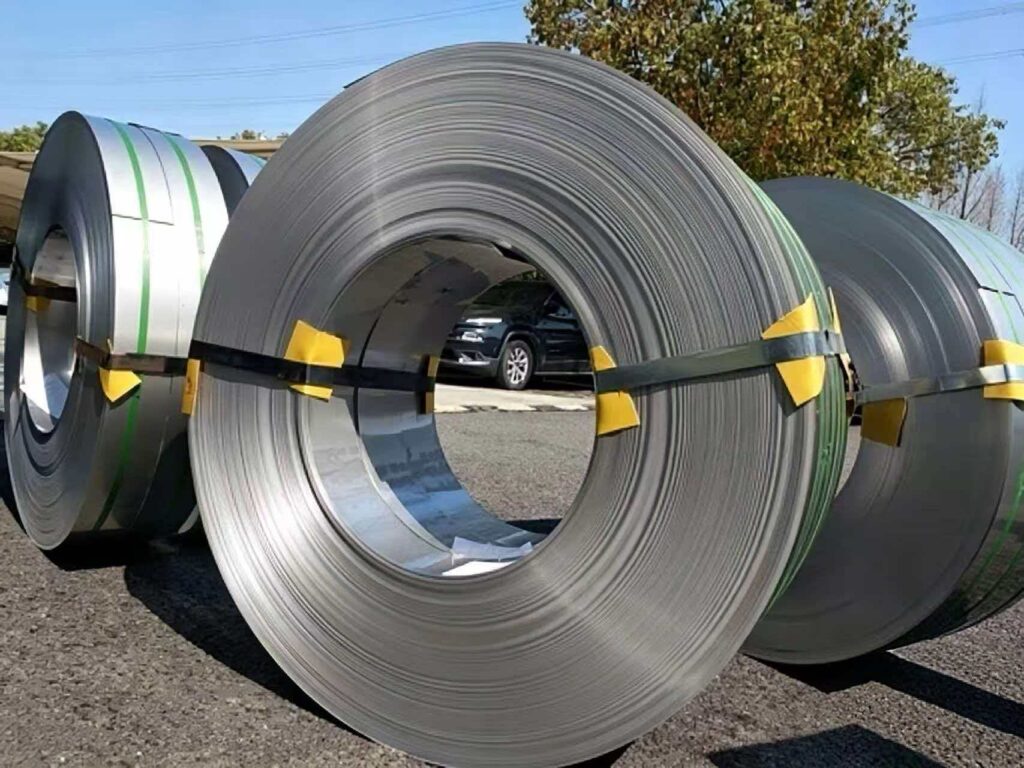
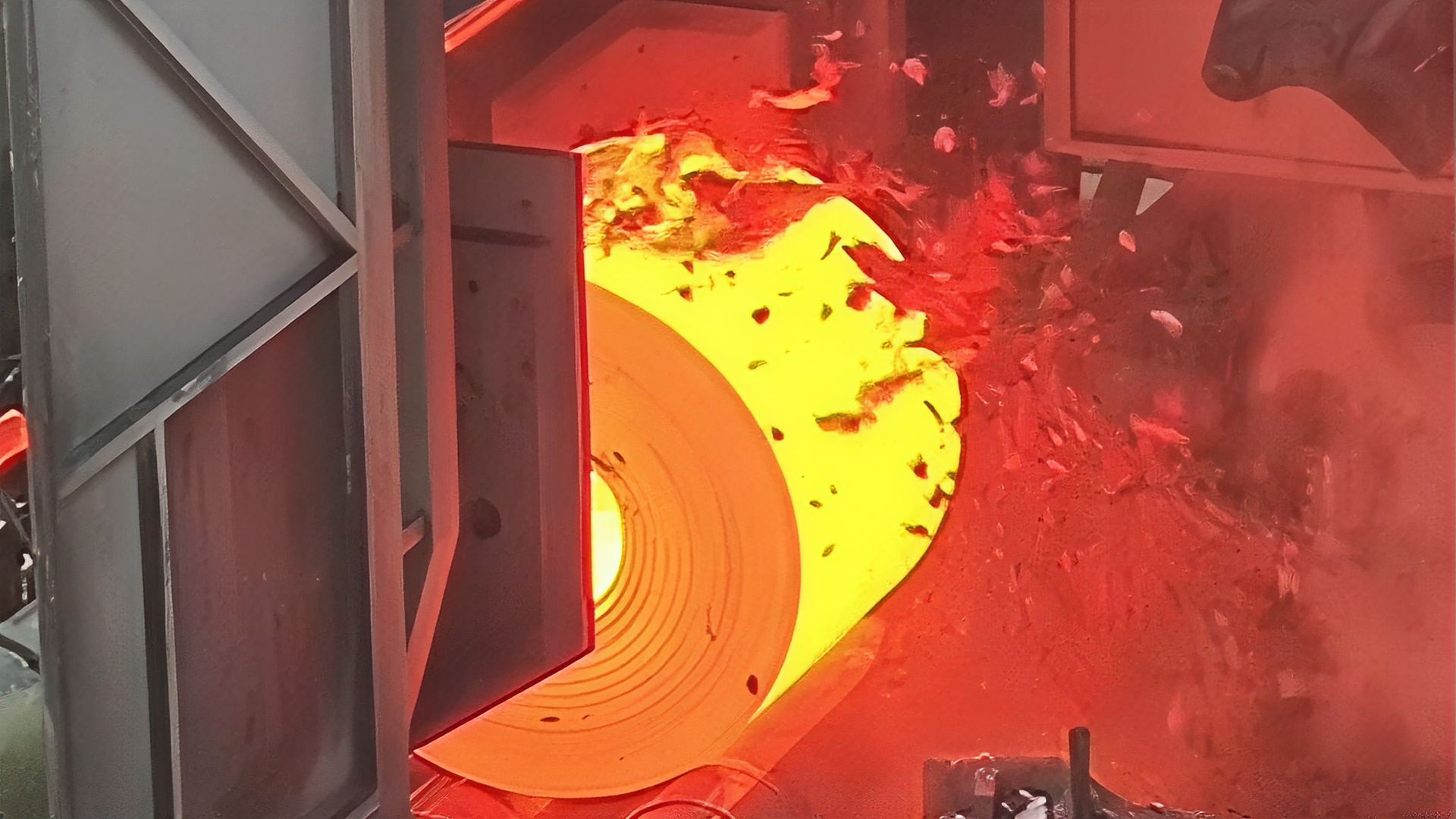
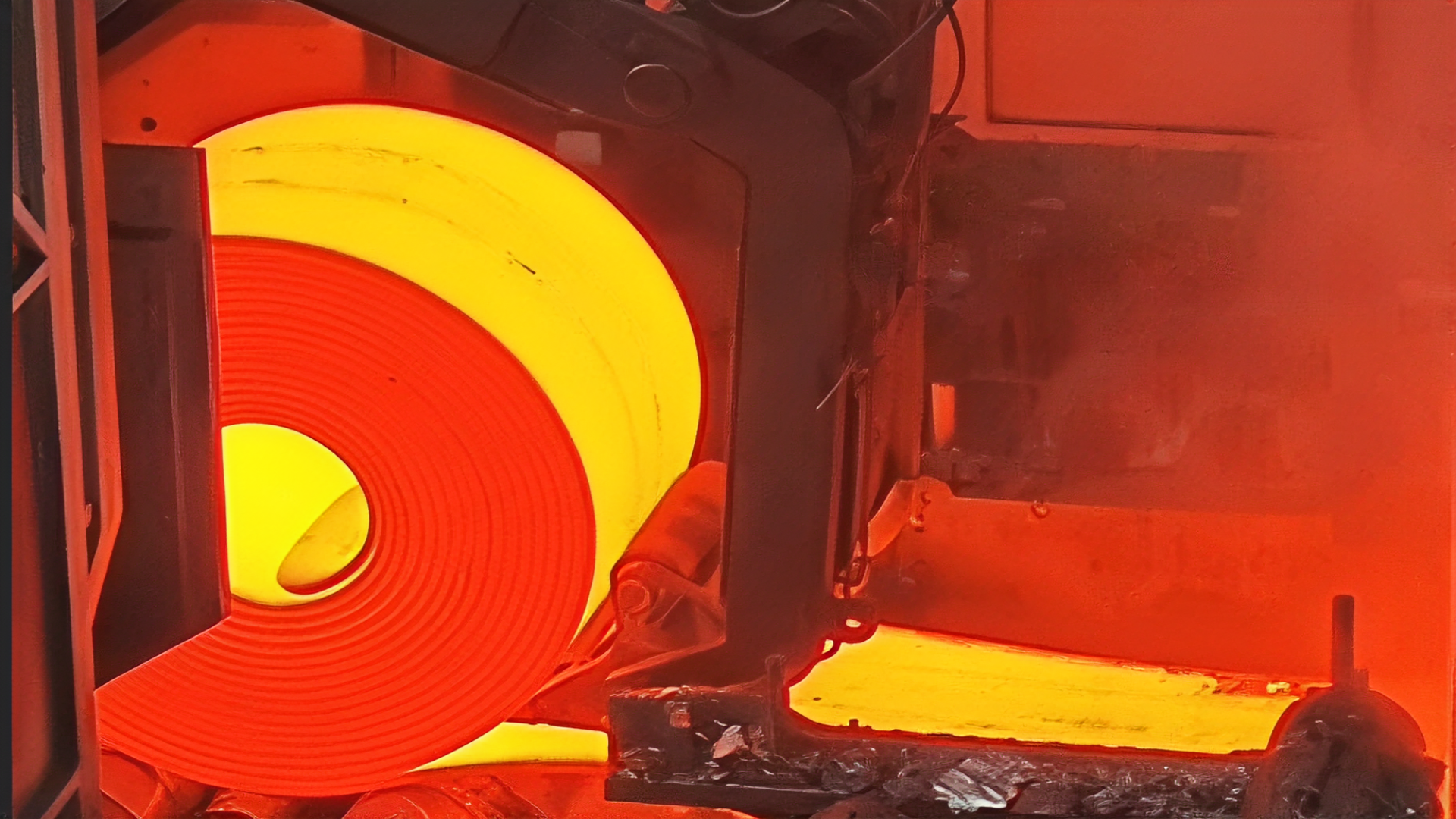
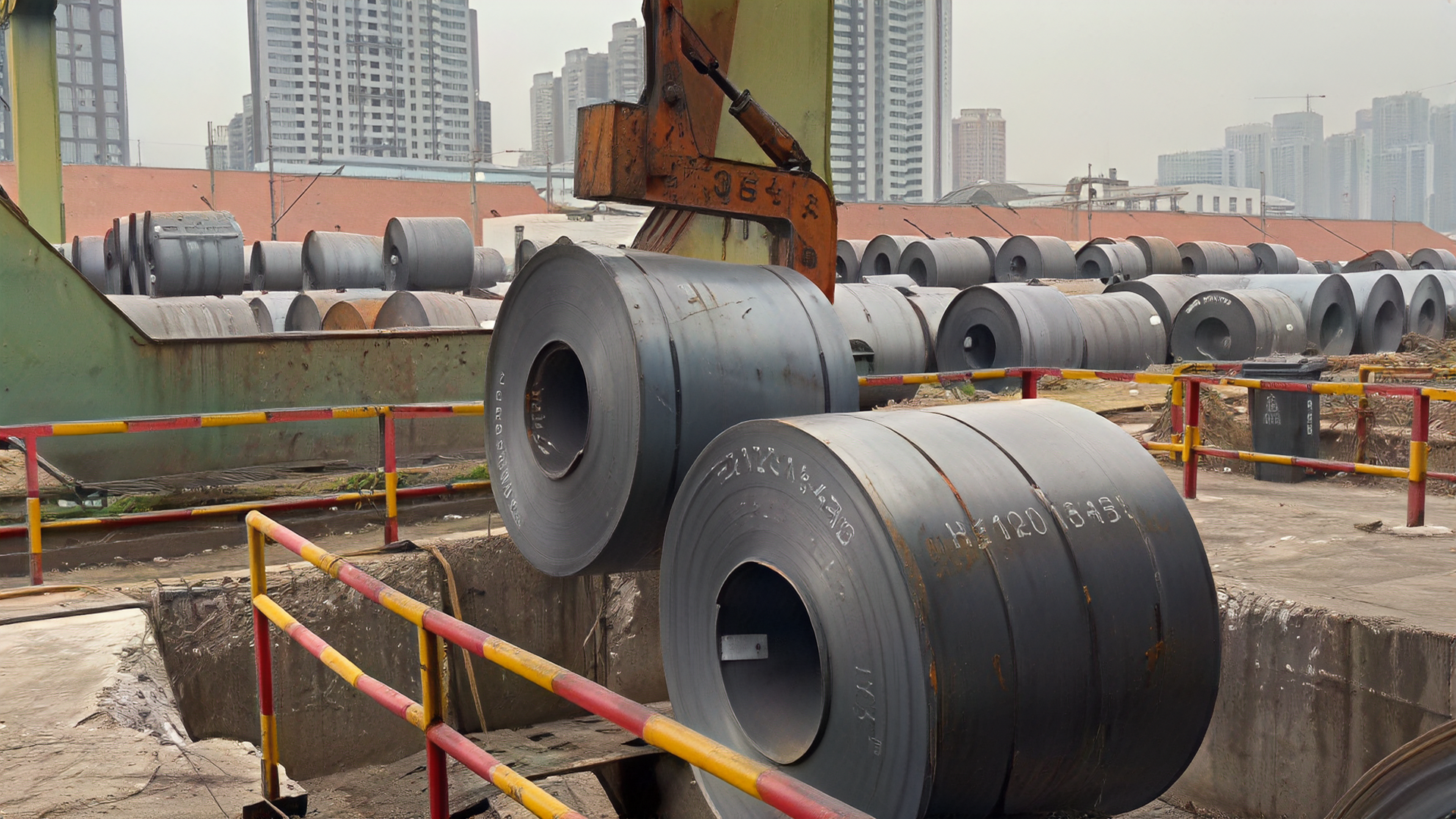
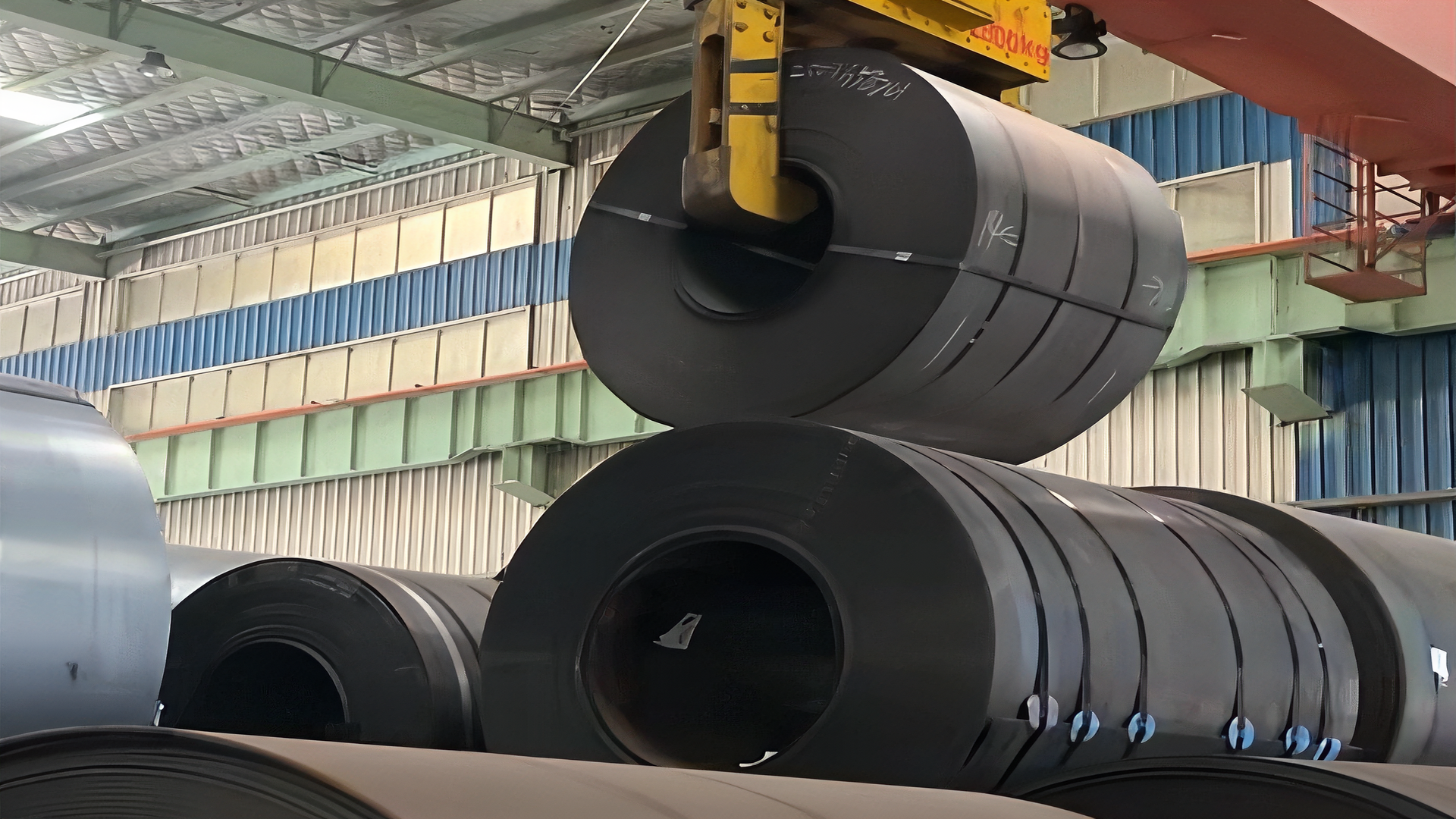
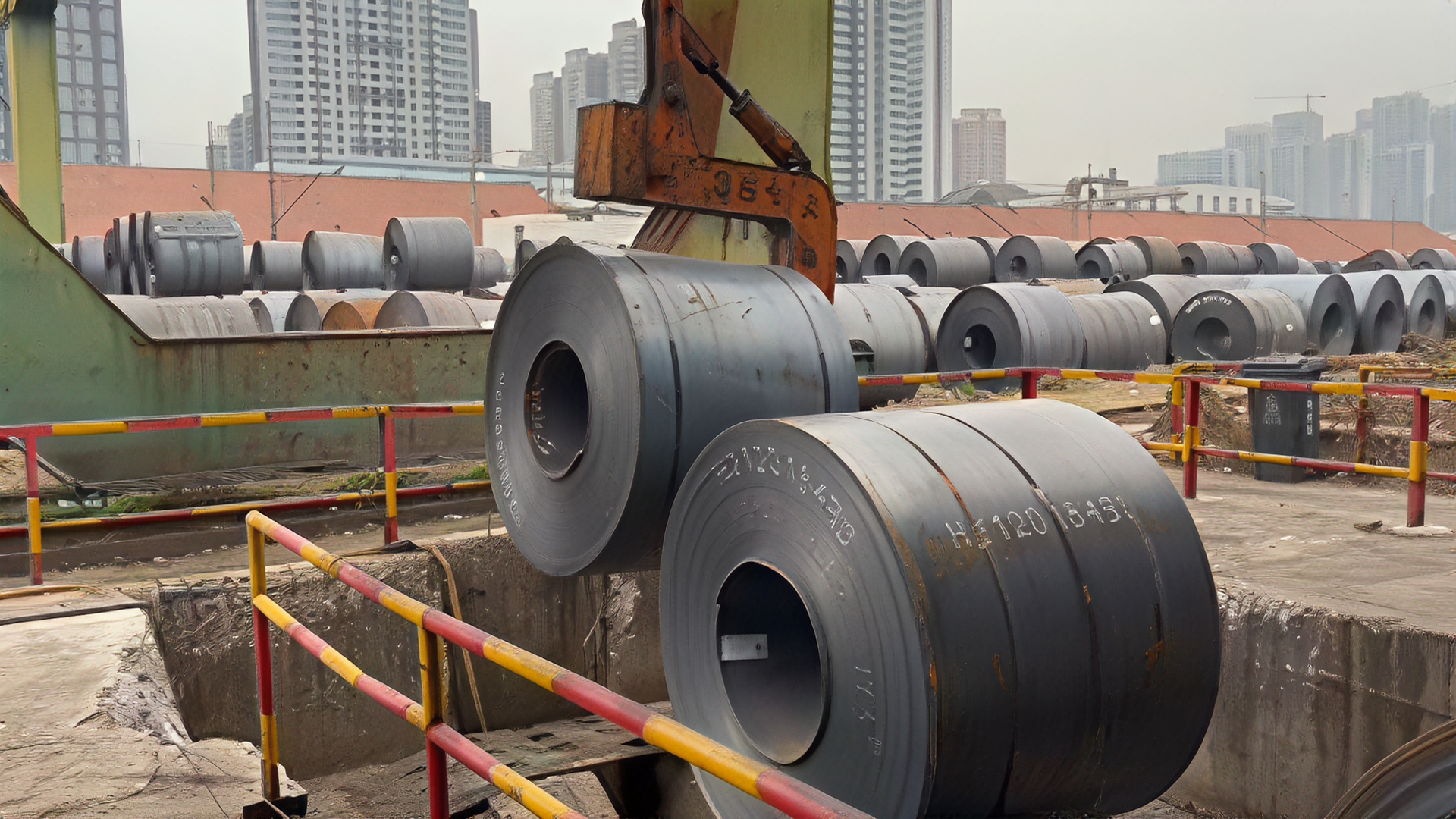
Hot-rolled steel coils offer excellent properties, including high strength, good toughness, and excellent weldability. They are widely used in construction, machinery manufacturing, boiler manufacturing, pressure vessels, and other industrial applications. They are also widely used as base materials for cold-rolled steel and galvanized steel products.
Applications of Hot-Rolled Steel Coils
- Hot-rolled steel coils are suitable for applications where a perfect surface finish and precise dimensions are not required. However, they offer excellent properties such as high strength, good toughness, and good weldability. Therefore, hot-rolled steel products are widely used in construction, automotive structures, machinery, boilers, pressure vessels, steel pipes, and other manufacturing industries, including:
- Construction: Building structures, frames, bridges, fences, partitions, rails, I-beams, and more.
- Pipelines: Pipelines for transporting oil, natural gas, and water, as well as heating networks and sewage systems.
- Machinery and Automotive: Machinery, vehicle bodies and components, cars and trucks, tanks, cranes, and more.
Advantages of Hot-Rolled Steel
- Cost:Hot-rolled steel coils are more affordable than cold-rolled steel coils
- Increased Ductility and Toughness:Hot-rolled steel offers good ductility and toughness.
- Good Flexibility:It can be easily used for various applications and formed into different shapes, such as curves, arches, and large sections.
- Surface Scale:Hot-rolled steel has a layer of surface scale formed during the high-temperature rolling process
Specifications of Hot-Rolled Steel Coils
| Item | Hot Rolled Steel Coil |
| Technology | Hot rolling process |
| Thickness | 1.0- 4.0 mm |
| Width | 600 – 1,500 mm ( common width: 915 mm, 1,220 mm, 1,500 mm) |
| Coil Inner Diameter | 508-760 mm |
| Steel Grade | Q195, Q235, Q235B, Q345, Q345A, Q345E, SS400, etc. |
| MOQ | 10 tons |
| Packaging | Export standard packing |
What Is Hot-Rolled Steel Coil?
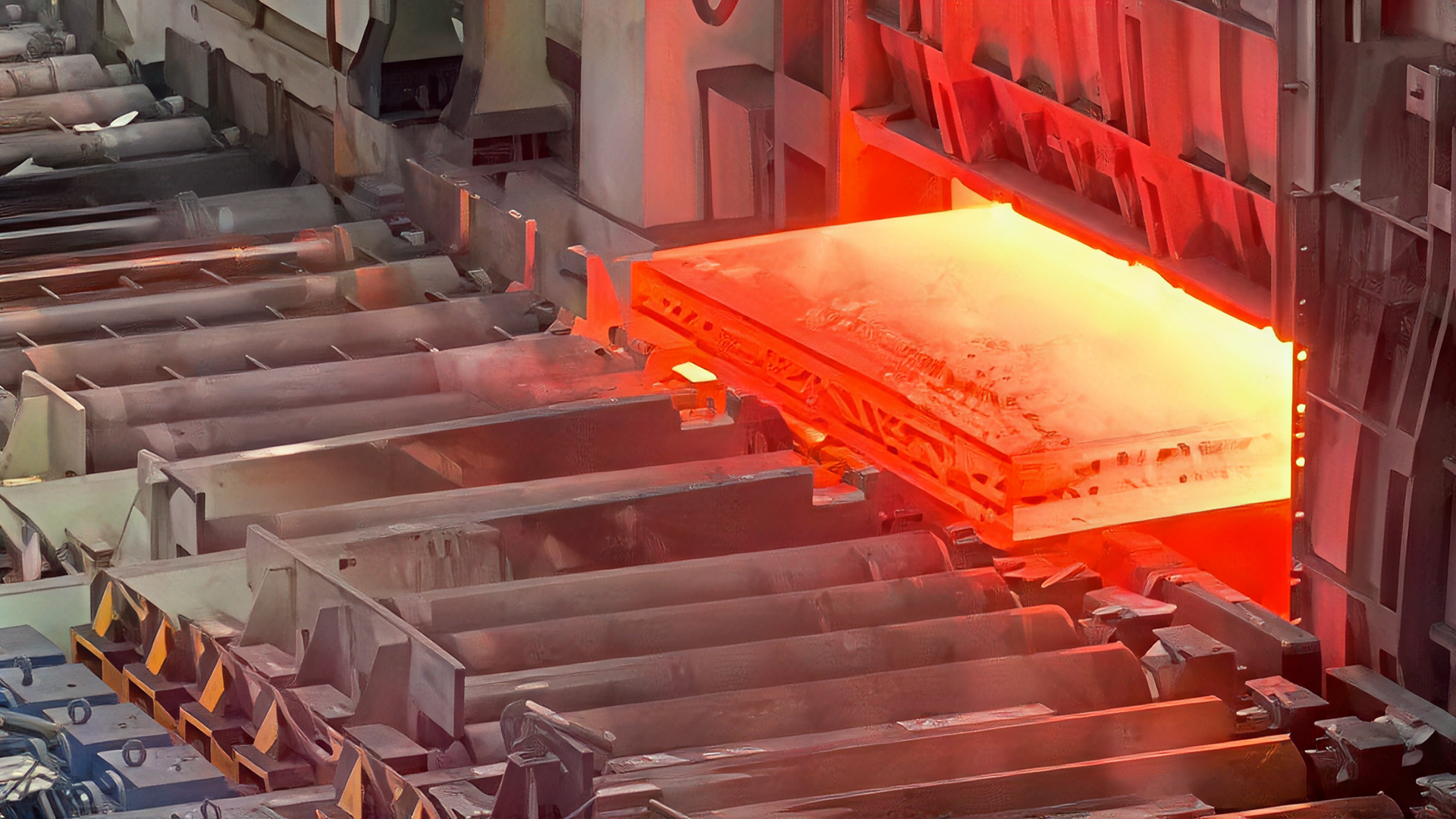
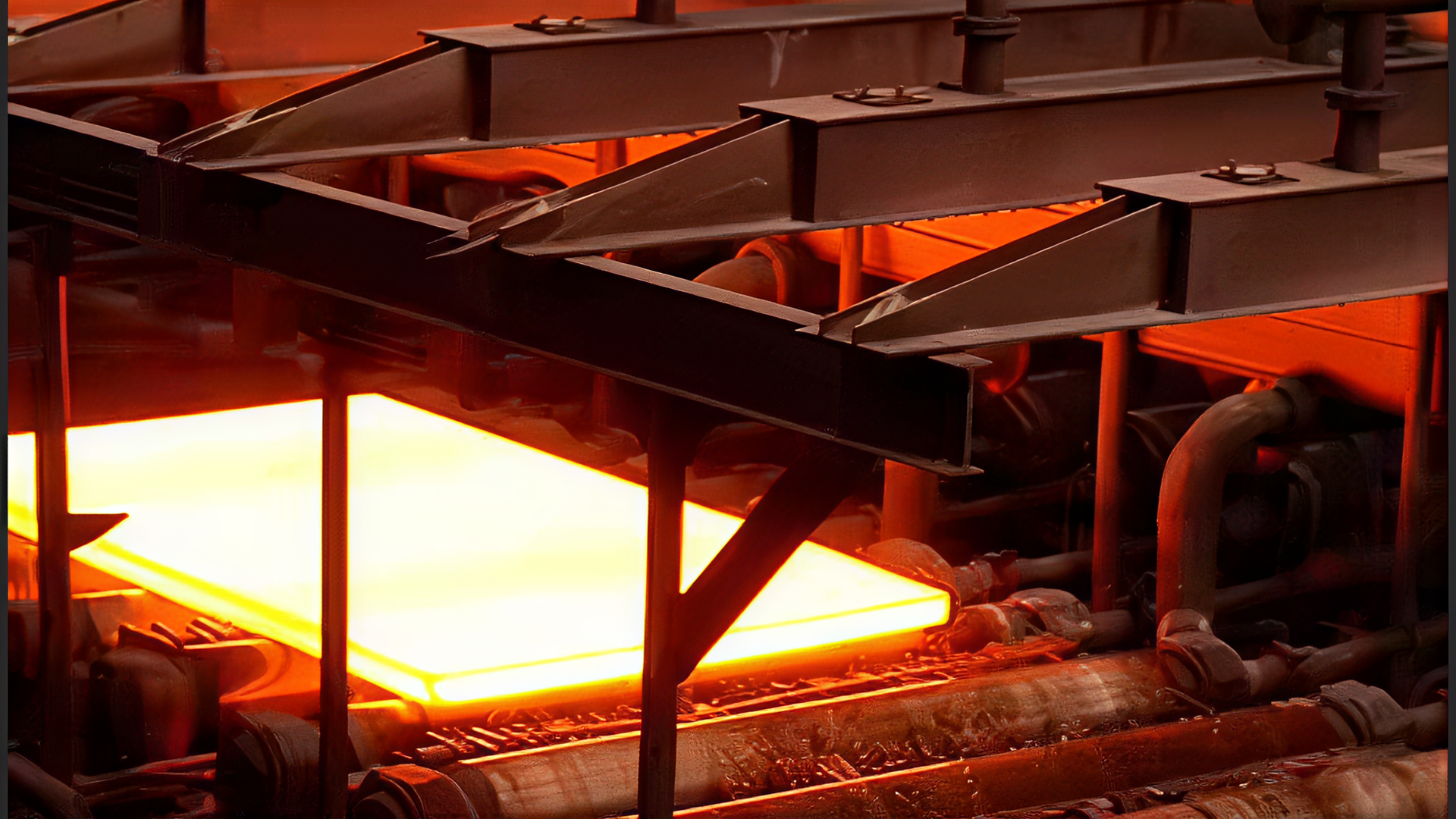
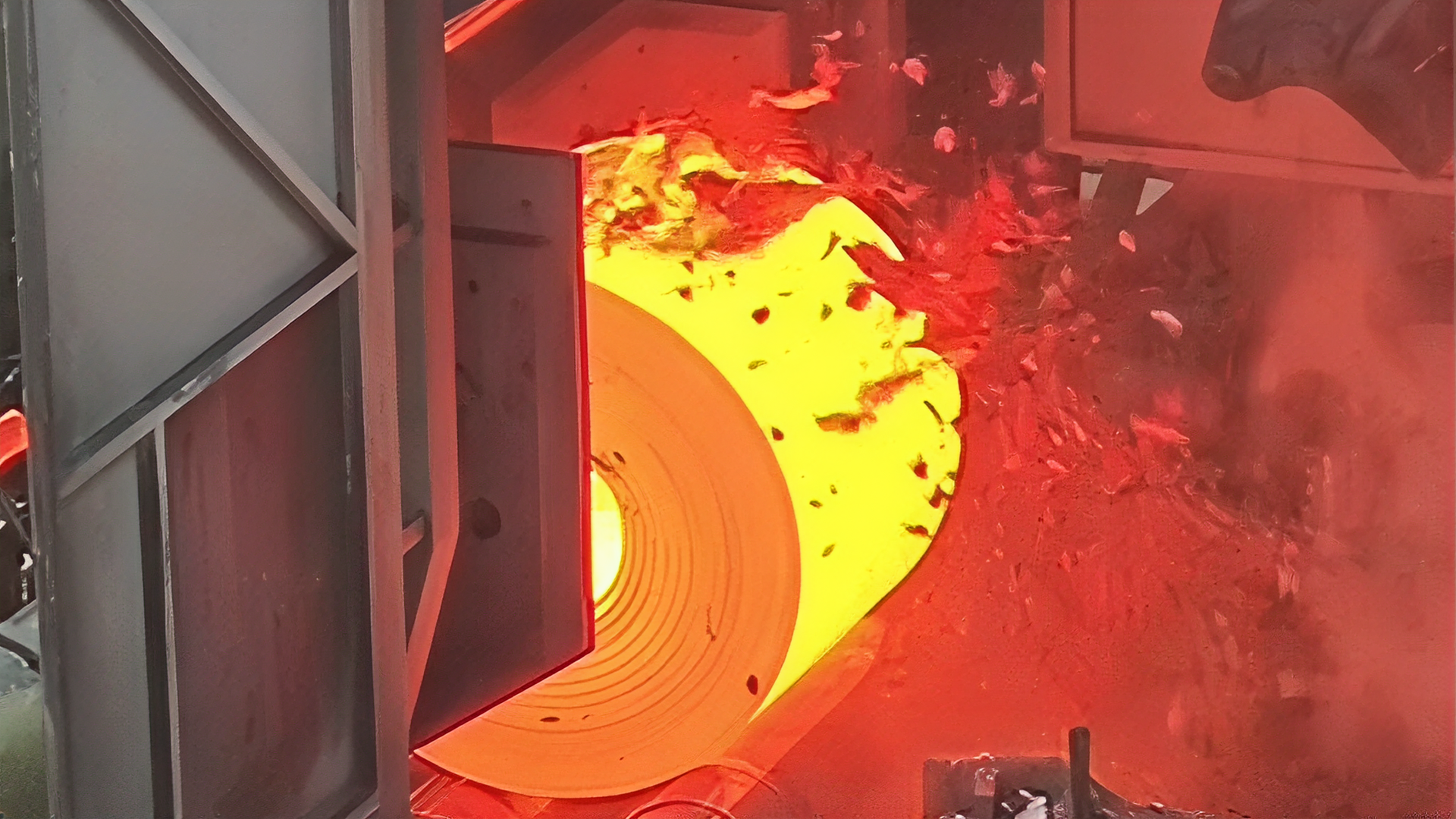
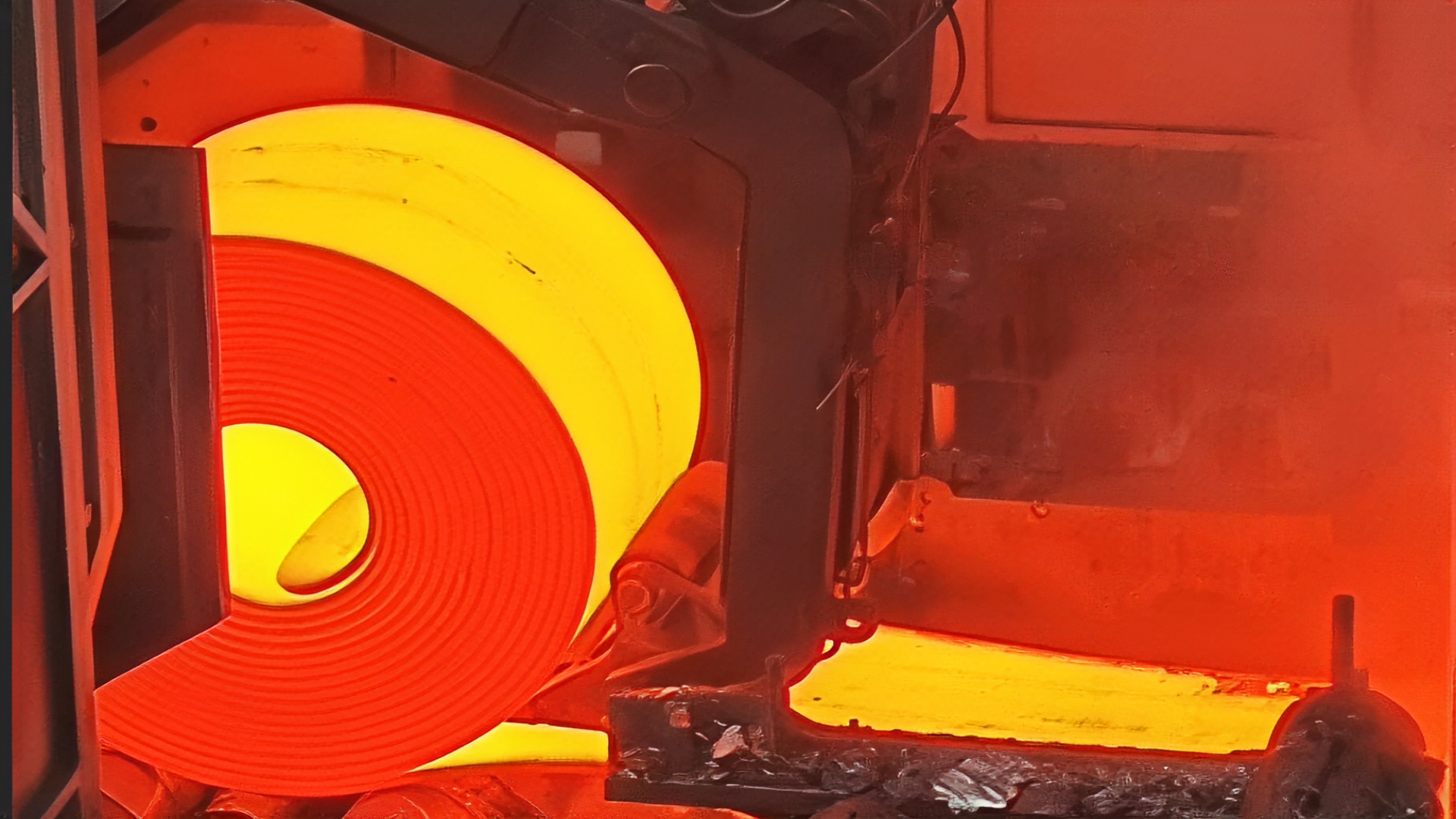
Hot-rolled steel is produced by rolling steel at very high temperatures, above its recrystallization temperature. The manufacturing process is as follows:
- Steel slabs are fed into a reheating furnace.
- Surface scale is removed using a hydraulic descaling system.
- The material passes through a roughing mill, where the ends are trimmed.
- It then enters the finishing mill, where the thickness and width are adjusted to achieve the required dimensions and a smooth surface.
- After cooling, the steel is coiled into hot-rolled steel coils.
Hot-Rolled Steel Coil vs. Cold-Rolled Steel Coil: Key Differences
Different Manufacturing Processes
Hot-Rolled Steel:The steel billet is heated and then processed through roughing and finishing mills to produce the final product. It offers high production efficiency and large output, making it suitable for large-scale production, but has lower dimensional accuracy.
Cold-Rolled Steel:The production process includes pickling, cold rolling, annealing, and skin passing. It involves a longer production process and higher costs, but provides higher dimensional accuracy, better surface quality, and is suitable for producing thinner gauges.
Different Processing Temperatures
Hot-Rolled Steel:Hot rolling is a process in which steel is rolled at extremely high temperatures, typically above 1,700°F (approximately 927°C). This temperature is above the recrystallization temperature of most types of steel.
Cold-Rolled Steel:Cold rolling is performed at room temperature, below the metal’s recrystallization temperature, without heating. As a result, the hardness and deformation resistance of the metal increase, requiring greater rolling pressure.
Different Surface Finishes
Hot-Rolled Steel Coil:The surface of hot-rolled steel coil has a layer of oxide scale formed during the high-temperature rolling process.
Cold-Rolled Steel Coil:In comparison, cold-rolled steel has tighter dimensional tolerances and a smoother surface finish. Therefore, cold-rolled steel is more suitable for applications requiring precise dimensions or an attractive appearance.
Different Applications
Hot-Rolled Steel:During hot rolling, the metal undergoes recrystallization, which refines the grain structure, improves the microstructure, and enhances its mechanical properties. It is commonly used for structural components requiring good mechanical performance, such as automotive frames, bridge structures, hot-rolled steel plates, and steel strips.
Cold-Rolled Steel:Due to work hardening, cold-rolled steel has increased strength and hardness, while its toughness and ductility are reduced. Its properties can be adjusted through annealing. It is mainly used for thin sheets requiring high strength and dimensional accuracy, such as automotive body panels, electrical appliance housings, and precision instrument components.
Different Characteristics
Cold-rolled steel coils are generally harder and stronger than hot-rolled steel coils due to work hardening during the cold-rolling process. They offer better resistance to tensile stress and deformation.
Different production costs
Because the manufacturing process is relatively simple, hot-rolled steel coils are generally less expensive than cold-rolled steel coils. Cold-rolled steel requires additional processing and more production time, which increases manufacturing costs.
Product Gallery