
What Key Performance Indicators Should You Consider When Choosing a Diesel Generator Set Besides Power Output?
When selecting a diesel generator set, power output is undoubtedly one of the most important factors to consider. However, focusing solely on power ratings may result in insufficient performance or a reduced service life under actual operating conditions.
To ensure reliable operation and select a generator set that meets your specific application requirements, several other key performance indicators deserve equal attention.
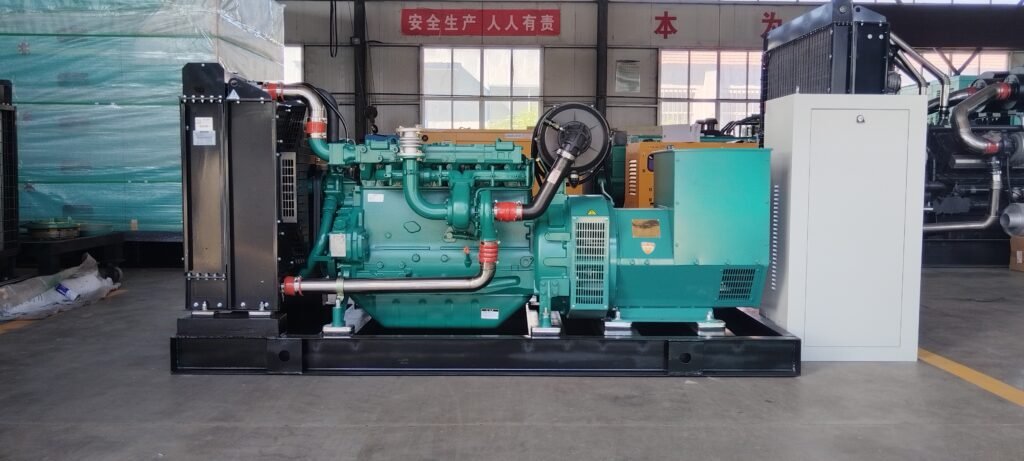
1. Power Ratings and Performance Classes
The output power of a diesel generator set is generally classified into Prime Power (PRP) and Standby Power (ESP).
Prime Power is designed for applications where the generator operates as the primary power source under variable load conditions for an unlimited number of hours per year, subject to the manufacturer’s specifications. Depending on the applicable rating standard, it may also allow limited overload operation.
Standby Power, on the other hand, is intended for emergency use during utility power failures. It is not designed for overload operation, and its annual operating hours are restricted according to the applicable rating standard and manufacturer’s specifications.
In addition, generator sets are classified into four performance classes: G1, G2, G3, and G4. Higher performance classes impose stricter requirements on voltage and frequency stability, making them more suitable for applications involving sensitive electrical equipment and demanding power supply conditions.
2. Electrical Performance and Stability
Voltage and frequency regulation, as well as their fluctuations, directly affect the quality and reliability of the power supply.
For example, the steady-state voltage regulation should generally be maintained within ±1%, while the frequency fluctuation should be no greater than 0.5%, depending on the generator configuration and applicable performance requirements.
When the load changes suddenly, the time required for the voltage to recover to its stable operating range is also an important indicator of the generator set’s dynamic response capability.
For applications involving sensitive electrical equipment or frequently changing loads, it is particularly important to evaluate the generator’s voltage and frequency recovery performance.
3. Environmental Adaptability
The operating performance of a diesel generator set is significantly affected by environmental conditions.
At high altitudes, reduced air density can lead to lower engine power output. Extremely low ambient temperatures may make engine starting more difficult. In installations with insufficient ventilation, proper cooling and airflow arrangements must be carefully considered to prevent overheating.
Therefore, before selecting a generator set, it is essential to evaluate the installation environment, including:
Ambient temperature
Installation altitude
Ventilation and airflow conditions
Cooling requirements
Indoor or outdoor installation conditions
Taking these factors into account helps ensure that the generator set can operate reliably under actual site conditions.
4. Parallel Operation and Special Application Requirements
For large power demands, particularly when the total load exceeds 1,600 kW, operating multiple generator sets in parallel may be a more flexible and practical solution.
Parallel operation allows multiple units to share the load, improves power supply flexibility, and makes maintenance and capacity expansion more convenient.
In addition, special application requirements should also be considered during the selection process. These may include:
Noise reduction and environmental compliance
Automatic Transfer Switch (ATS) systems
Automatic control and monitoring systems
Generator synchronization and parallel operation
Generator room modification and installation engineering
The supplier’s technical capabilities, customization experience, and engineering support should also be included in the evaluation.
Conclusion
Selecting a diesel generator set is a comprehensive process that involves much more than simply determining the required power output.
After establishing the appropriate power rating, buyers should also consider load characteristics, electrical performance, environmental conditions, long-term operating requirements, and after-sales technical support.
A thorough evaluation of these factors helps ensure that the selected generator set delivers reliable performance, a longer service life, and better overall operating efficiency while meeting the specific requirements of the application.